
Biscayne National Park
Biscayne National Park: The Complete Visitor Guide to Florida’s Hidden Underwater Paradise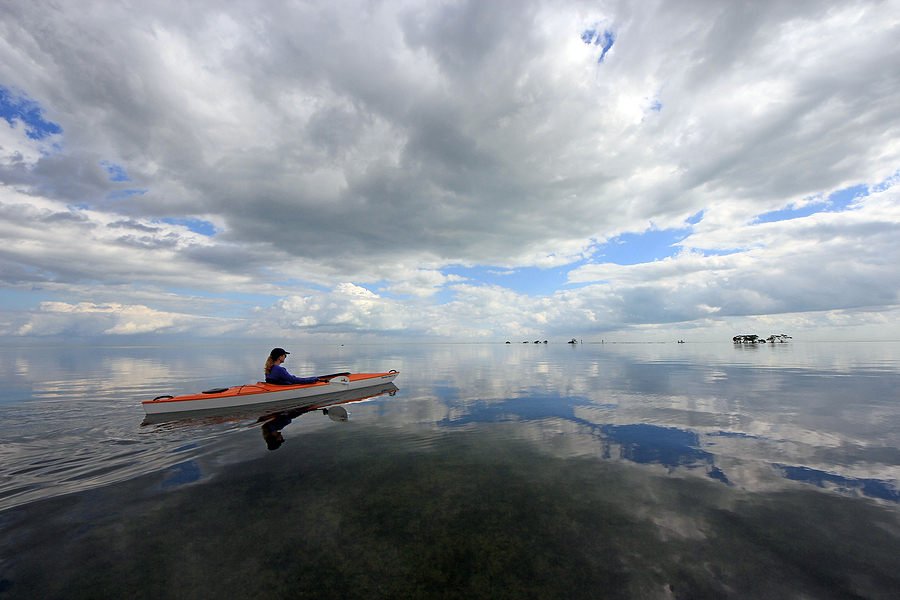
When most people think about America’s national parks, they picture towering mountains, deep canyons, or vast forests. Biscayne National Park offers something entirely different. Located just south of Miami in southeastern Florida, this remarkable national park protects one of the most diverse marine environments in the United States.
What surprises many first-time visitors is that approximately 95% of Biscayne National Park is water. Beneath the surface lies a world of coral reefs, seagrass beds, mangrove forests, tropical fish, historic shipwrecks, and islands that form the northernmost section of the Florida Keys.
Covering more than 172,000 acres, Biscayne National Park is one of the largest marine parks in the National Park System. Established as a national park in 1980, it preserves Biscayne Bay, offshore reefs, mangrove shorelines, and numerous islands that support an incredible variety of wildlife and recreational opportunities.
Whether you’re interested in boating, snorkeling, kayaking, wildlife viewing, fishing, or simply enjoying Florida’s natural beauty, Biscayne National Park offers an unforgettable experience.
Where Is Biscayne National Park?
Biscayne National Park is located in Miami-Dade County, Florida, just south of Miami and east of Homestead. The park stretches from near Key Biscayne southward toward Key Largo and includes portions of Biscayne Bay and the northern Florida Keys.
Unlike many national parks where visitors can drive through scenic landscapes, Biscayne is primarily accessible by water. The mainland portion of the park is centered around the Dante Fascell Visitor Center at Convoy Point, which serves as the primary gateway to the park.
The Four Ecosystems of Biscayne National Park
One of the reasons Biscayne National Park is so unique is that it protects four interconnected ecosystems that work together to support a rich marine environment.
Mangrove Forests
Along the mainland shoreline, dense mangrove forests create one of the most important habitats in the park. These coastal forests help stabilize shorelines, filter water, and provide nursery areas for countless marine species.
Young fish, crabs, shrimp, and other aquatic animals often spend their early lives among the tangled mangrove roots before moving into deeper waters.
Biscayne Bay
The shallow waters of Biscayne Bay form the heart of the park. These protected waters contain extensive seagrass beds that provide food and shelter for marine life.
Manatees, sea turtles, rays, and numerous fish species rely on these productive waters throughout the year.
The Florida Keys
The park includes dozens of islands that represent the northernmost extension of the Florida Keys. These islands are formed primarily from ancient coral reefs that became exposed above sea level over thousands of years.
Among the most famous islands are Elliott Key, Boca Chita Key, Adams Key, Totten Key, and Old Rhodes Key.
Coral Reefs
The offshore Florida Reef is one of the park’s greatest treasures. As the only living coral barrier reef system in the continental United States, it provides habitat for hundreds of species of fish, coral, crustaceans, and other marine organisms.
These reefs attract divers and snorkelers from around the world.
Top Things to Do in Biscayne National Park
Because most of the park is underwater, many of the best activities involve getting out on the water.
Snorkeling the Coral Reefs
Snorkeling is one of the most popular activities in Biscayne National Park. Visitors can explore shallow coral formations teeming with colorful fish, sea fans, sponges, and other marine life.
The clear waters often provide excellent visibility, making Biscayne one of Florida’s premier snorkeling destinations.
Scuba Diving
For experienced divers, Biscayne National Park offers access to spectacular reef systems and historic shipwrecks.
The park’s Maritime Heritage Trail includes several historic shipwreck sites that tell the story of centuries of maritime activity along Florida’s coast. Divers can explore these underwater time capsules while observing marine life that now calls them home.
Kayaking and Paddleboarding
Paddling through Biscayne’s calm waters offers a completely different perspective of the park.
Kayakers can explore mangrove shorelines, shallow bays, and quiet channels while watching birds, fish, and occasionally manatees or dolphins.
Boating
Boating remains one of the best ways to experience the park. Since much of Biscayne National Park is only accessible by water, private boats and guided tours provide access to remote islands and snorkeling locations.
Fishing
Anglers visit Biscayne National Park for opportunities to catch a variety of saltwater species.
The park’s diverse habitats support snapper, tarpon, bonefish, permit, and many other popular game fish. Visitors should always review current fishing regulations before heading out on the water.
Famous Islands Within the Park
Elliott Key
Elliott Key is the largest island within Biscayne National Park and the northernmost true key in the Florida Keys chain.
The island has a fascinating history and was once considered for major development projects before conservation efforts protected it as part of the national park. Today, visitors can enjoy hiking trails, camping areas, and scenic waterfront views.
Boca Chita Key
Perhaps the park’s most photographed destination, Boca Chita Key features a picturesque lighthouse that has become an icon of Biscayne National Park.
The island offers picnic areas, walking paths, and spectacular views across Biscayne Bay.
Adams Key
Located near Elliott Key, Adams Key is another beautiful island accessible only by boat. The island provides visitors with a glimpse of the undeveloped Florida Keys landscape that once existed throughout the region.
Wildlife You May Encounter
Biscayne National Park protects an incredible diversity of wildlife both above and below the water’s surface.
Marine Mammals
Visitors occasionally spot:
- West Indian manatees
- Bottlenose dolphins
- Various marine fish species
The warm waters and extensive seagrass beds provide critical habitat for many marine animals.
Reptiles
Several notable reptile species live within the park, including:
- American crocodiles
- Green sea turtles
- Hawksbill sea turtles
- Loggerhead sea turtles
Many of these species are protected due to declining populations.
Birds
Birdwatchers can find an impressive variety of species throughout the park.
Common sightings include:
- Peregrine falcons
- Ospreys
- White-crowned pigeons
- American flamingos
- Brown pelicans
- Herons and egrets
- Wood storks
The park serves as an important stopover point for migratory birds traveling through South Florida.
A Brief History of Biscayne National Park
Humans have lived around Biscayne Bay for thousands of years. Indigenous peoples utilized the area’s abundant marine resources long before European explorers arrived in Florida.
During the 20th century, increasing development pressures threatened many of the region’s natural resources. Conservationists recognized the ecological importance of Biscayne Bay and worked to protect its reefs, mangroves, and islands.
The area was initially protected as Biscayne National Monument in 1968. Continued efforts eventually led to the establishment of Biscayne National Park on June 28, 1980. Today, the park safeguards one of America’s most important marine ecosystems for future generations.
Weather and Best Time to Visit
Winter (December – April)
Winter is generally considered the best time to visit Biscayne National Park.
Visitors enjoy:
- Comfortable temperatures
- Lower humidity
- Reduced mosquito activity
- Excellent boating conditions
Spring
Spring offers warm temperatures and generally calm water conditions, making it ideal for snorkeling and boating.
Summer
Summer brings hot temperatures, high humidity, and frequent afternoon thunderstorms.
While marine activities remain popular, visitors should monitor weather conditions closely.
Fall
Fall can offer fewer crowds and pleasant weather, although tropical storms and hurricanes remain possible during hurricane season.
Visitor Information and Helpful Tips
Start at the Dante Fascell Visitor Center
The visitor center is the best place to begin your adventure. Exhibits explain the park’s ecosystems, wildlife, history, and recreational opportunities. Rangers can also provide current conditions and tour information.
Bring Sun Protection
South Florida’s sun can be intense year-round. Sunscreen, sunglasses, hats, and protective clothing are highly recommended.
Reserve Tours in Advance
Many of the park’s most popular activities, including snorkeling and boat excursions, can fill quickly during peak travel seasons.
Pack Water and Snacks
Services inside the park are limited, particularly once you’re out on the water.
Respect Wildlife
Observe animals from a safe distance and avoid disturbing sensitive habitats, especially coral reefs and seagrass beds.
Final Thoughts
Biscayne National Park is one of America’s most overlooked national parks, yet it protects some of the most important marine habitats in the country. From vibrant coral reefs and crystal-clear waters to mangrove forests and historic islands, the park offers a completely different national park experience than most visitors expect.
Whether you’re snorkeling above a living reef, paddling through a quiet mangrove channel, exploring Boca Chita Key, or watching a manatee glide through Biscayne Bay, you’ll quickly discover why this unique South Florida treasure deserves a place on every national park traveler’s bucket list.